
Family therapy
When patterns are stronger than intention
In families and households, problems rarely arise out of nowhere. What becomes visible in conflicts, withdrawal, anger, or misunderstanding is often the result of deeper patterns that have developed over time. Sometimes these patterns are connected to significant events in the present, and sometimes they carry a history that reaches back beyond a single generation.
Systemic therapy does not view one person as the “carrier of the problem,” but looks at the whole system. At how family members relate to one another, which roles have emerged, what may or may not be spoken about, and which invisible loyalties and tensions are at play.
Trauma from generation to generation
Trauma does not live only within individuals, but also within family systems. Unprocessed loss, war experiences, migration, illness, secrets, violence, or prolonged stress can be unconsciously passed down from one generation to the next. Not through words, but through behavior, emotions, expectations, and family dynamics.
This is called intergenerational trauma. It can show itself through excessive care, emotional distance, conflict, anxiety, control, or silence. Children often respond instinctively to what remains unspoken and adapt themselves to keep the system in balance, sometimes at the expense of their own wellbeing.
In systemic therapy, we make these underlying currents visible, without blame or judgment. Understanding where patterns come from opens the way to change.
How I Work in Systemic Therapy
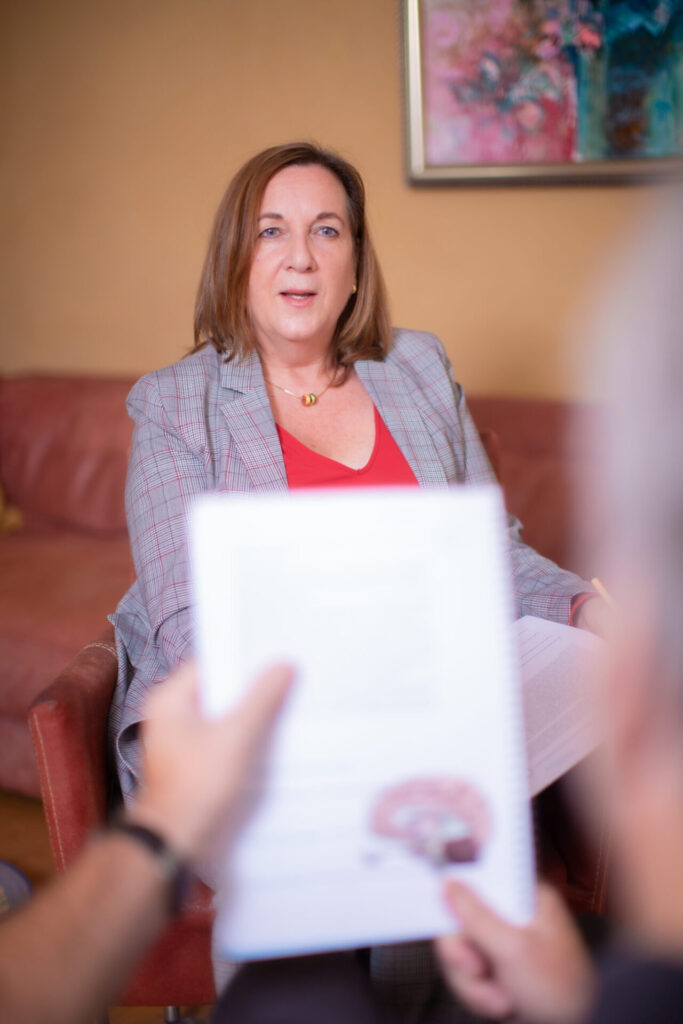
In systemic therapy, multiple family members take part in the sessions together. I guide the process so that space is created for everyone’s perspective, with attention to emotions, body language, and the nervous system. The goal is not to be right, but to truly understand one another.
These conversations can be confronting, precisely because they touch on old pain and long-standing patterns. At the same time, they often bring relief. When what has been beneath the surface for so long becomes visible, space is created to make different choices and develop new ways of relating to one another.
Systemic therapy focuses on restoring safety, responsibility, and connection within the whole system.
Who Is Systemic Therapy For?
Systemic therapy can be helpful when family members:
have ended up standing against each other instead of beside one another
feel stuck in recurring conflicts or negative interaction patterns
are dealing with unresolved loss or grief within the family
notice that old patterns keep returning, even during new situations or life events
want to explore together how things can be different, with more understanding and connection
I work with families, blended families, and extended families, as well as with adolescents from the age of twelve and adults.
What Systemic Therapy Can Bring
Families who engage in this work often experience greater calm and clarity. Roles become less rigid, communication begins to shift, and relationships feel less burdened. Not because everything is solved, but because what was stuck can begin to move again.
Systemic therapy can contribute to greater mutual understanding, care, and responsibility, as well as restoring trust and connection. Sometimes that means growing forward together, and sometimes it means learning to tolerate differences in a healthier way.
The whole becomes more than the sum of its parts once again.
Pracitical information
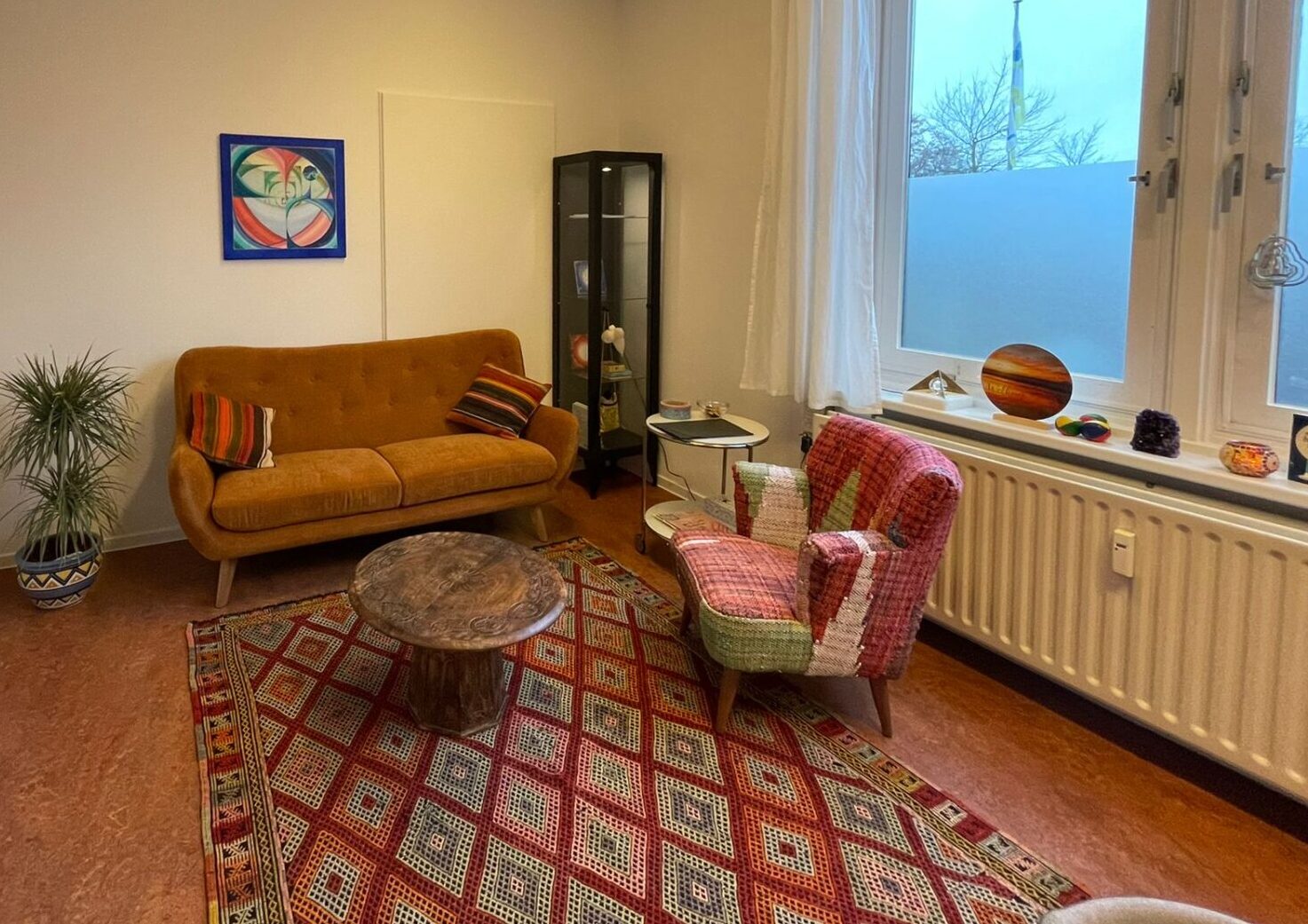
Systemic therapy takes place in person at my practice in Nijmegen/Lent and is usually offered in ninety-minute sessions. In some cases, online guidance is possible, depending on the composition of the system and the nature of the request.
When family members are coming from farther away, we will discuss together how to schedule the sessions in the most suitable way.
My fees are in line with specialist therapy that is not covered by insurance.
If you would first like to explore whether systemic therapy is suitable for your situation, you can book a 30-minute introductory consultation through the contact page. We will then look together at what is needed and what is feasible.