
Grief therapy
Making space for loss, at your own pace
Grief arises when something or someone essential is lost. This may be the loss of a loved one through death, but also the loss of health, work, income, a relationship, future expectations, or a sense of safety. What is lost is not only what once was, but also what will never be again.
When life changes so profoundly, grief can permeate everything. Sadness, anger, guilt, emptiness, fear, or confusion may alternate or exist all at once. Many people wonder how they are supposed to carry this, and whether it will ever feel lighter.
Grief therapy offers a space where loss does not need to be explained, fixed, or “processed,” but where it can be acknowledged and held.

Grief is not a straight path
Everyone grieves in their own way and at their own pace. Grief is rarely linear. Sometimes it may seem as though life is slowly beginning to move forward again, only for the pain to return unexpectedly. That is not a setback, but part of the process.
Sometimes people become stuck. Not because they are doing something wrong, but because the loss is too great to carry alone, or because earlier trauma or past losses have been triggered. Grief can then become lodged in the body, the nervous system, or in recurring thoughts and emotions.
In these situations, guidance can help restore movement and create space to breathe again.
How I work in grief therapy
In grief therapy, I work in a trauma-sensitive way, with attention to the body and the nervous system. We take the time to pause and be with what is truly present, without forcing anything. Whatever arises is welcome: sadness, anger, guilt, shame, relief, love, longing, or emptiness.
By talking together, feeling, and gently bearing what is so painful, more space can slowly begin to emerge. Not to take the loss away, but to give it a place within your life, so that it no longer completely overwhelms you.
Grief therapy is not about letting go, but about learning how to carry what has been lost.
Who is grief therapy for?
I work with adolescents from the age of twelve and adults who are dealing with:
- loss through illness, death, or the absence of a loved one
- their own illness or a life-threatening diagnosis
- loss of work, income, or a sense of security
- complex or unresolved grief
- grief combined with trauma or long-term stress
Grief therapy can take place individually, but also together with partner(s) or other family members when that feels supportive.

What grief therapy can offer
Grief therapy does not take the pain away. What it can offer is greater resilience, softness, and more space to be present in life again. Many people experience that their emotions become less overwhelming, that the body begins to settle, and that connection slowly becomes possible again — with themselves and with others.
Grief changes. And you change with it.
Pracitical information
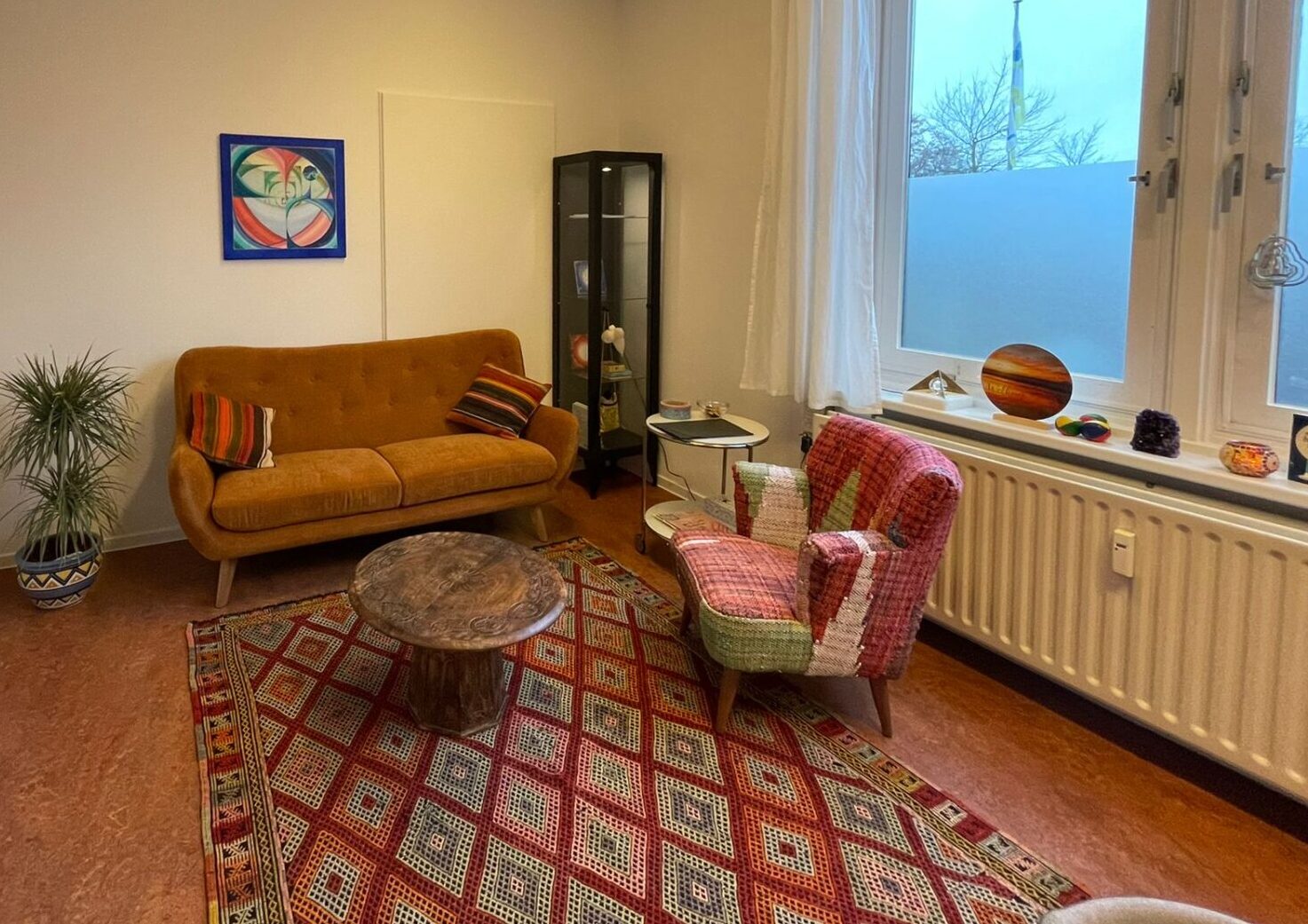
Grief therapy takes place in one-hour sessions online or in person at my practice in Nijmegen/Lent, with in-person sessions usually lasting one and a half hours. If you are travelling from further away, we will discuss together what feels most suitable.
If you would first like to explore whether this form of guidance feels right for you, you can book a 30-minute introductory conversation through the contact page. Together, we will look at whether and how I can support you.
For current rates and availability, please feel free to get in touch. My fees are in line with specialised therapy that is not covered by insurance.